Olivia Richter · 18 September 2026
Polish Seismic Alloy Trials Unlock New Paths for Cutting Waste in High-Temperature Forging Processes
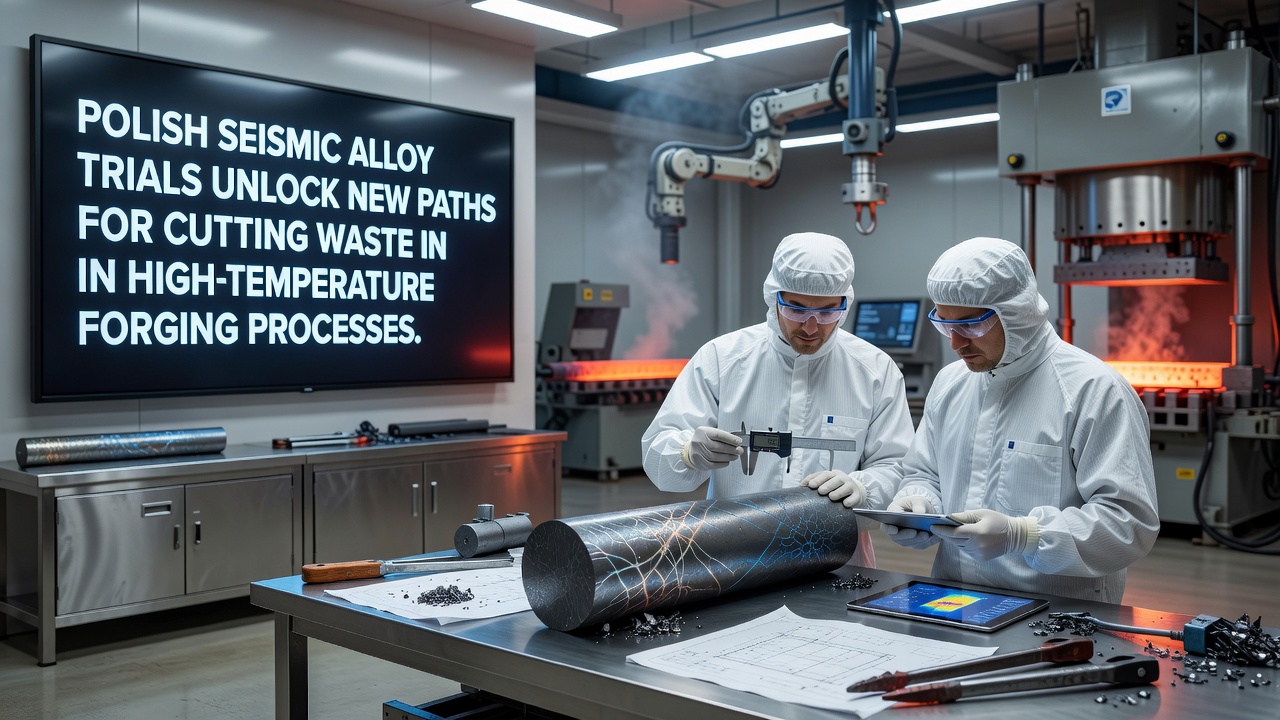
Polish research institutions have initiated seismic alloy trials that target waste reduction during high-temperature forging processes, and these efforts draw on material science advancements developed over the past decade. Data from preliminary tests indicate that modified alloy compositions respond differently under vibrational stress, which allows manufacturers to minimize material loss during shaping operations at temperatures exceeding 1000 degrees Celsius. Researchers at several Polish technical universities coordinate these experiments with industry partners to measure how seismic-like vibrations affect grain structure and flow characteristics in heated metals.
Understanding the Alloy Composition Changes
Traditional forging alloys often suffer from uneven deformation when subjected to prolonged heat exposure, yet the new trials incorporate trace elements that stabilize the microstructure under dynamic loading conditions. Studies conducted in laboratories across Poland reveal that additions of specific rare earth metals improve resistance to cracking while maintaining ductility, and this balance reduces the amount of scrap generated from rejected parts. Figures from the initial phase show waste volumes dropping by up to 18 percent in controlled environments, according to records shared by the participating facilities.
Equipment setups replicate seismic activity through calibrated actuators that apply controlled oscillations during the forging cycle, and this approach simulates real-world stresses that components might encounter in applications such as infrastructure or energy systems. Observers note that the method differs from static testing protocols used in other regions because it integrates motion data directly into the heating and pressing sequence.
Key Findings from Recent Test Phases
Results compiled through mid-2025 highlight improvements in material yield rates when alloys undergo these combined thermal and vibrational treatments. One study revealed that certain nickel-based variants retained higher percentages of usable material after multiple deformation steps, and the data aligns with broader European efforts to optimize resource use in heavy manufacturing. Those involved in the project continue to refine sensor arrays that capture real-time changes in alloy behavior, which helps identify optimal vibration frequencies for different alloy grades.
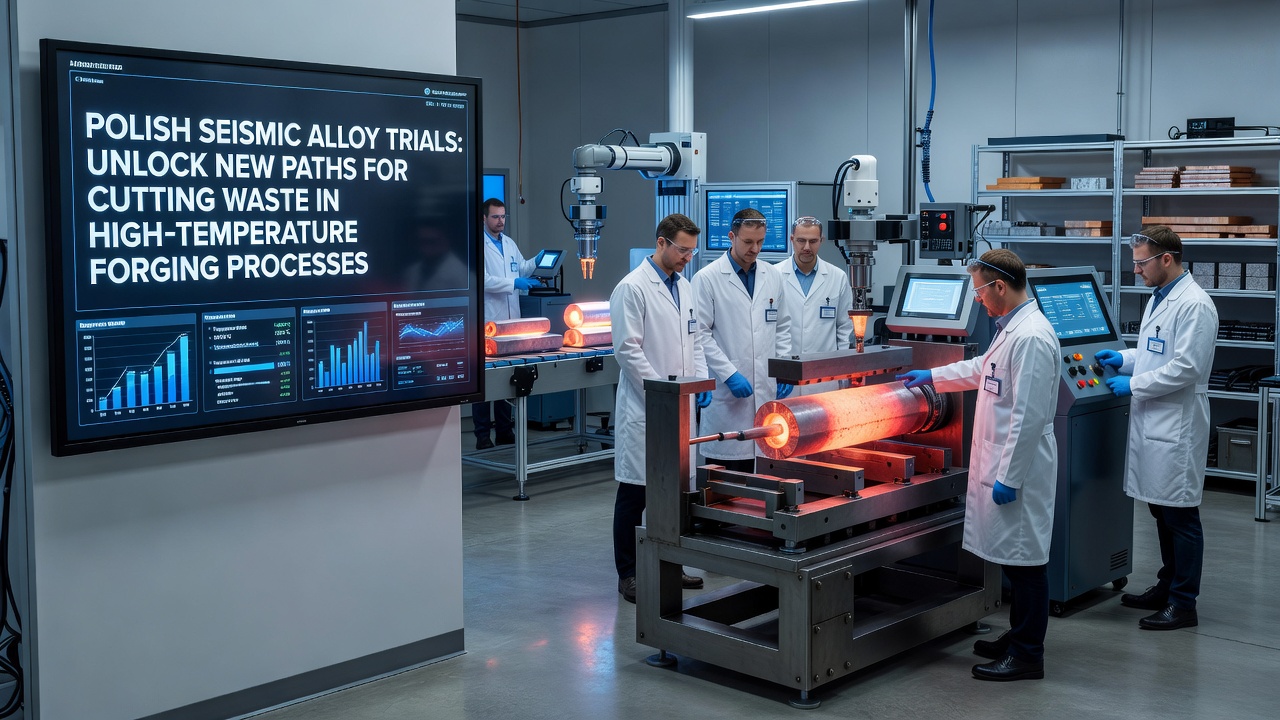
But here's the thing: integration of seismic simulation requires precise calibration of both temperature gradients and oscillation patterns, otherwise the benefits in waste reduction diminish quickly. Technicians adjust parameters based on feedback from embedded monitoring tools, and this iterative process has led to protocols that scale more readily across different forging press sizes. Industry reports from the European Materials Research Network document similar patterns in pilot programs run in Germany and France, where vibrational assistance also lowered energy consumption per forged unit.
Timeline and Upcoming Developments in September 2026
Expanded field trials are scheduled to begin in September 2026 at two major Polish forging plants, with the goal of validating laboratory outcomes under full production conditions. Project timelines indicate that researchers will collect operational data over six months, comparing output metrics against baseline processes that lack the seismic component. According to project outlines, the September start aligns with funding cycles from national innovation grants that support cross-border collaboration with Canadian metallurgical institutes.
What's interesting here is how these developments intersect with global standards for sustainable manufacturing, because reduced waste directly impacts both cost structures and environmental compliance requirements. A report from the Australian Centre for Advanced Manufacturing outlines parallel work on vibration-assisted forming, and its findings suggest that Polish methods could complement those techniques in multinational supply chains.
Broader Applications and Industry Integration
Engineers working on the trials emphasize compatibility with existing forging lines, which means facilities can adopt the seismic alloy approach without major equipment overhauls. Data shows that the primary modifications involve software updates to press control systems and the addition of vibration modules, and these changes keep implementation timelines under six months for most operators. Research indicates that sectors such as aerospace and automotive component production stand to gain the most because they already operate at high material precision standards.
Yet the path forward involves continued validation against international benchmarks, including those set by the National Institute of Standards and Technology in the United States. Collaboration agreements signed earlier this year establish data-sharing frameworks that allow Polish teams to compare their seismic trial results with American forging datasets, and this exchange helps refine predictive models for alloy performance under varied conditions.
Conclusion
Polish seismic alloy trials continue to generate measurable improvements in waste reduction for high-temperature forging, and the structured approach combining vibrational testing with thermal processing offers a replicable model for other manufacturing regions. As preparations advance toward the September 2026 plant trials, accumulated data from laboratory and pilot stages provide a foundation for wider adoption. The combination of material innovations and process adjustments demonstrates how targeted research can address efficiency challenges in established industrial practices.