Greta Hughes · 2 September 2026
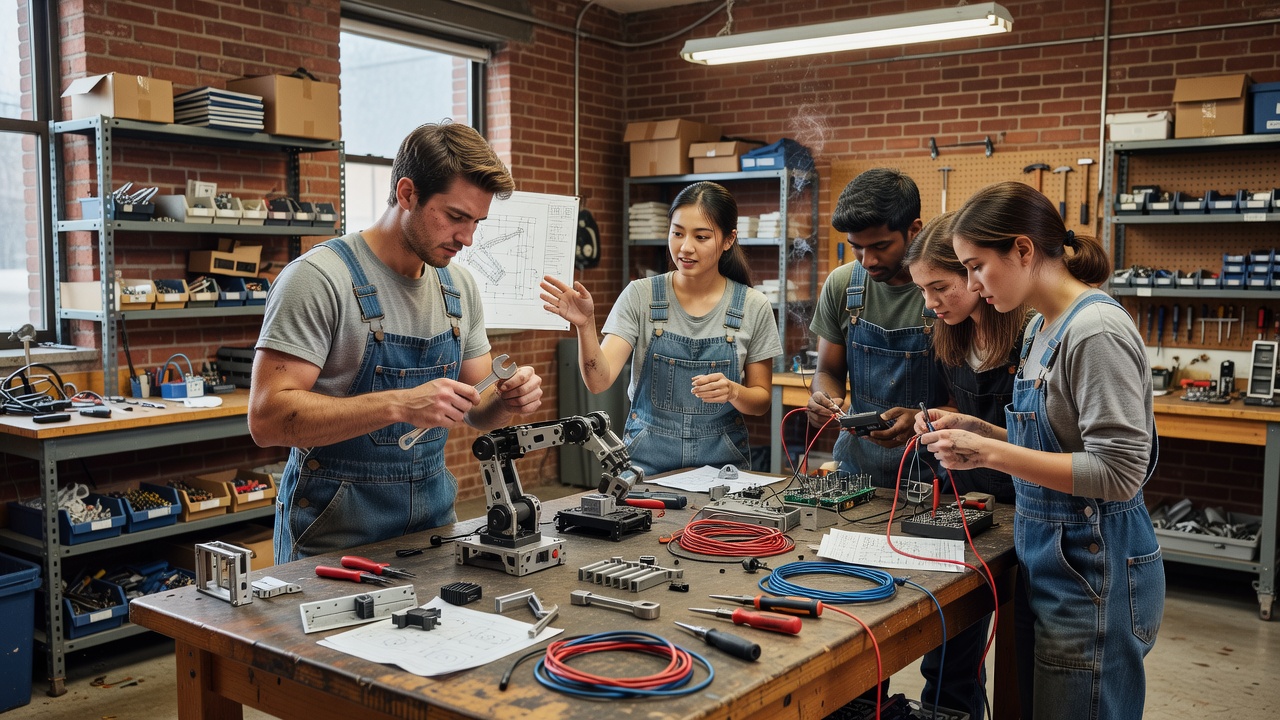
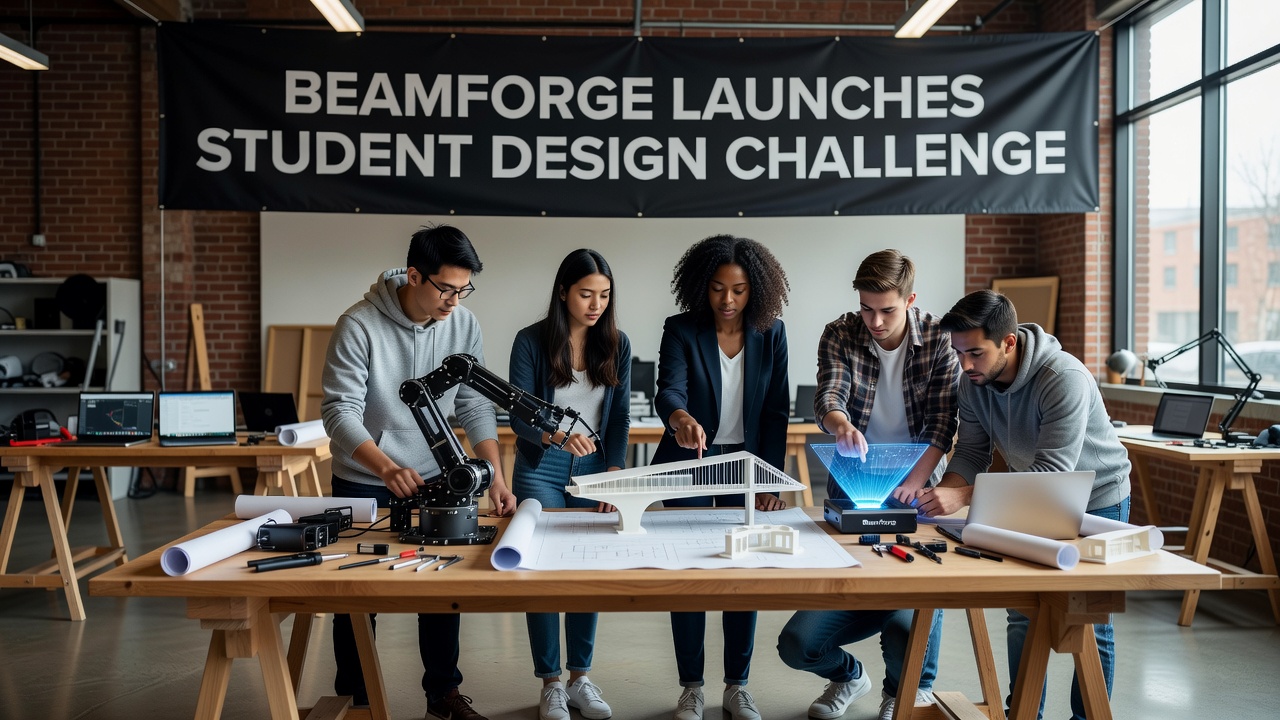
Beamforge Engineering Education has officially launched its Student Design Challenge, providing a platform for students to engage in hands-on engineering projects. This initiative is designed to enhance learning experiences by encouraging participants to apply their knowledge to practical scenarios. The challenge focuses on developing solutions that contribute to sustainable development and technological progress in various fields.
Structure of the Competition
The Student Design Challenge is structured into multiple phases, beginning with an ideation stage where participants submit initial concepts. Following this, selected teams advance to the development phase, where they refine their designs using advanced software tools provided by the organization. The final evaluation will consider technical accuracy, innovative aspects, and environmental considerations. Mentorship is available throughout the process to guide students effectively. Categories for submission include sustainable transportation, water resource management, and digital manufacturing techniques. Each category has specific guidelines to ensure submissions meet high standards of engineering practice. This structured approach helps participants develop comprehensive skills necessary for future careers in the industry. Additional support includes webinars and peer review sessions to improve the quality of entries.
Benefits and Future Impact
By participating in this challenge, students gain valuable experience that complements their academic studies. Winners will be awarded prizes including cash grants, publication opportunities in engineering journals, and networking events with industry leaders. The program also promotes diversity by encouraging submissions from underrepresented groups in engineering. Beamforge Engineering Education continues to support educational advancements through such programs, aiming to cultivate a community of skilled professionals ready to tackle global challenges. The challenge is expected to attract hundreds of participants from around the world, fostering international collaboration and knowledge exchange. Overall, this effort underscores the importance of experiential learning in engineering curricula. Furthermore, the organization plans to expand the challenge in subsequent years to include more categories and larger prize pools, ensuring ongoing engagement and growth in the engineering student community.