Ulrich Berger · 4 September 2026
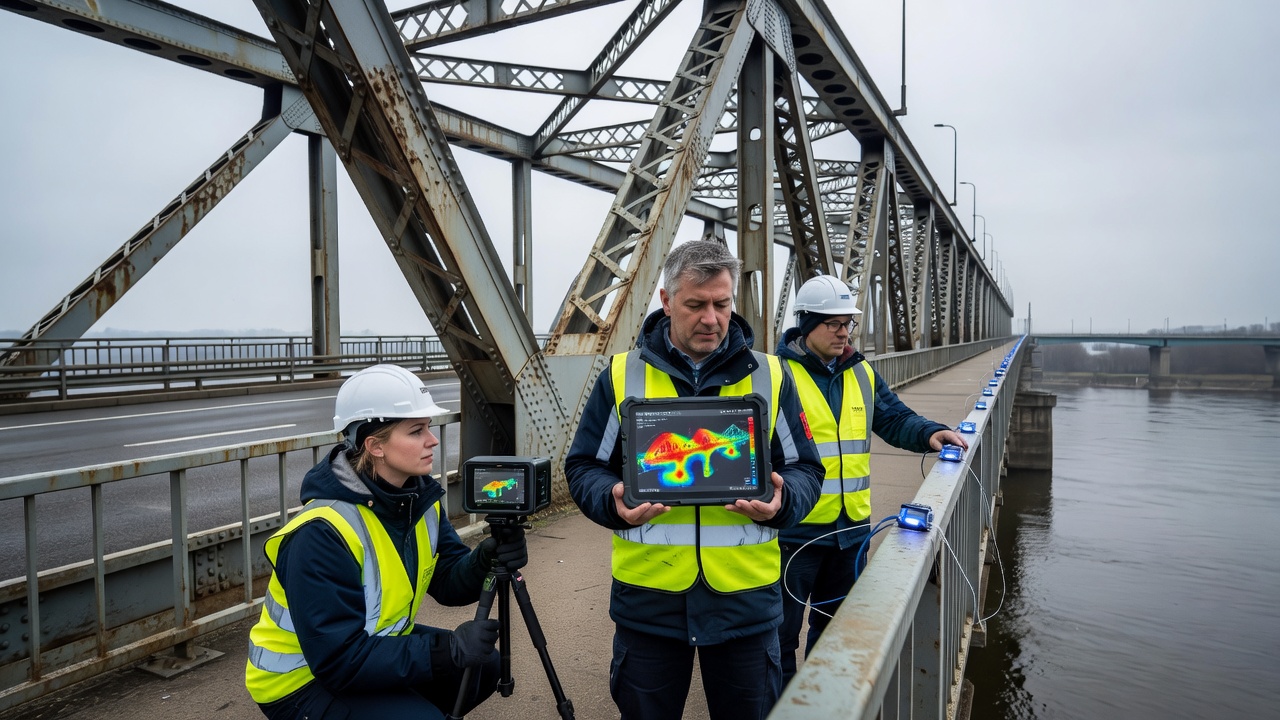
Poland maintains thousands of bridges that carry heavy rail and road traffic daily, and fatigue from repeated loading cycles remains a persistent concern for structural integrity. AI-driven analysis platforms now process sensor data from strain gauges, accelerometers, and environmental monitors to forecast when components might reach critical fatigue thresholds, allowing maintenance teams to intervene before issues escalate. These systems combine machine learning models with historical load records and real-time inputs, creating predictions that extend beyond traditional engineering calculations.
Many bridges in Poland date from mid-20th-century construction periods, while newer spans handle increased freight volumes following European Union integration. Engineers track cumulative stress from thermal expansion, corrosion, and dynamic loads that vary wth seasonal weather patterns and traffic surges. Research from European transport authorities shows that fatigue cracks often initiate at weld joints and connection points where stress concentrations build over decades of service. Platforms integrate finite element analysis with neural networks to simulate these stress distributions at scales that manual methods cannot match efficiently.
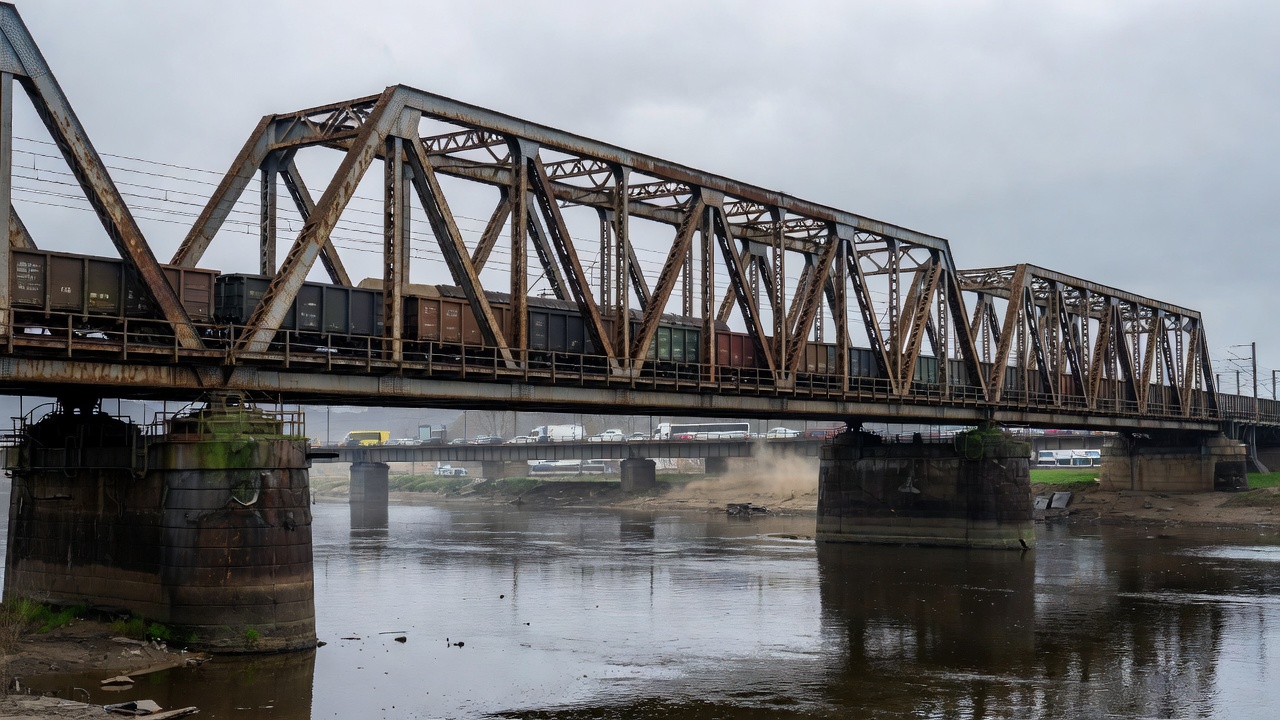
Operators deploy networks of IoT sensors that stream measurements directly into cloud-based platforms, where algorithms identify patterns across thousands of loading events. Training datasets include decades of inspection reports from Polish road authorities alongside comparable records from neighboring countries. Models adjust for variables such as wind-induced vibrations and de-icing salt exposure that accelerate material degradation in northern regions. One implementation in Silesia combined vibration signatures with temperature logs to predict remaining service life for a 1970s steel truss bridge, reducing unplanned closures by aligning repairs with predicted fatigue milestones.
National infrastructure programs have scheduled expanded rollouts of these AI tools through 2026, with pilot expansions planned for September of that year on key Vistula River crossings. During this phase, authorities intend to link additional bridges into a unified monitoring dashboard that aggregates predictions across multiple administrative regions. Figures from the Polish Ministry of Infrastructure indicate that early adopters already report more precise scheduling of ultrasonic testing and bolt replacements based on model outputs rather than fixed calendar intervals. Integration with existing asset management databases allows planners to allocate budgets according to ranked risk scores generated by the platforms.
Academic teams at Warsaw University of Technology and partner institutions in Germany have contributed validation studies that compare AI forecasts against physical fatigue tests performed on decommissioned bridge segments. Results demonstrate that hybrid models incorporating both physics-based equations and data-driven corrections achieve lower error margins in life expectancy estimates. Those findings appear in proceedings from the European Conference on Structural Health Monitoring, where participants noted improved detection rates for subsurface flaws that conventional visual inspections frequently miss.
Similar systems operate on Canadian rail bridges and Australian mining haul roads, yet Polish implementations emphasize integration with EU-mandated reporting standards for cross-border corridors. Data shows that platforms reduce reliance on conservative safety factors by supplying granular evidence of actual stress accumulation, though regulatory bodies still require periodic physical verification. Engineers in the United States have shared open-source components for sensor calibration that Polish teams adapted to local steel grades and connection details. According to the Federal Highway Administration's bridge technology reports, such adaptations help maintain consistency when models encounter regional differences in material supply and construction practices.
Variability in sensor calibration across older installations can introduce noise into training sets, requiring ongoing data cleaning routines. Platform developers address this by applying anomaly detection algorithms that flag outliers before they skew fatigue projections. Training programs for inspection personnel now include modules on interpreting probability heat maps that highlight high-risk zones on bridge decks and supports. Observers note that gradual rollout across regional agencies has allowed teams to refine workflows without disrupting routine maintenance cycles.
Developers continue to link fatigue prediction modules with traffic flow simulations and climate projection datasets, aiming for forecasts that account for evolving load patterns through mid-century. Polish transport planners anticipate that September 2026 expansions will coincide with upgrades to fiber-optic communication lines along major corridors, improving data transmission speeds from remote sensors. Studies indicate these enhancements support more frequent model retraining cycles, keeping predictions aligned with actual usage trends observed on corridors connecting Baltic ports to southern industrial zones.
Industry reports from the European Construction Technology Platform highlight collaborative projects where AI outputs feed directly into digital twin representations of entire bridge inventories. These twins enable scenario testing for hypothetical increases in heavy vehicle weights or extreme weather events without physical disruption to service. Teams responsible for Warsaw and Kraków metropolitan areas have begun cross-referencing their platform outputs with national databases maintained by the General Directorate for National Roads and Motorways.
AI-driven platforms continue to alter how fatigue predictions inform decisions for Polish bridge infrastructure by combining sensor streams, historical records, and adaptive algorithms into actionable maintenance guidance. Implementation phases scheduled around September 2026 will test scalability across additional sites while maintaining alignment with established engineering standards. Evidence from ongoing deployments and supporting research demonstrates measurable shifts toward condition-based interventions that prioritize measured stress accumulation over uniform inspection schedules.